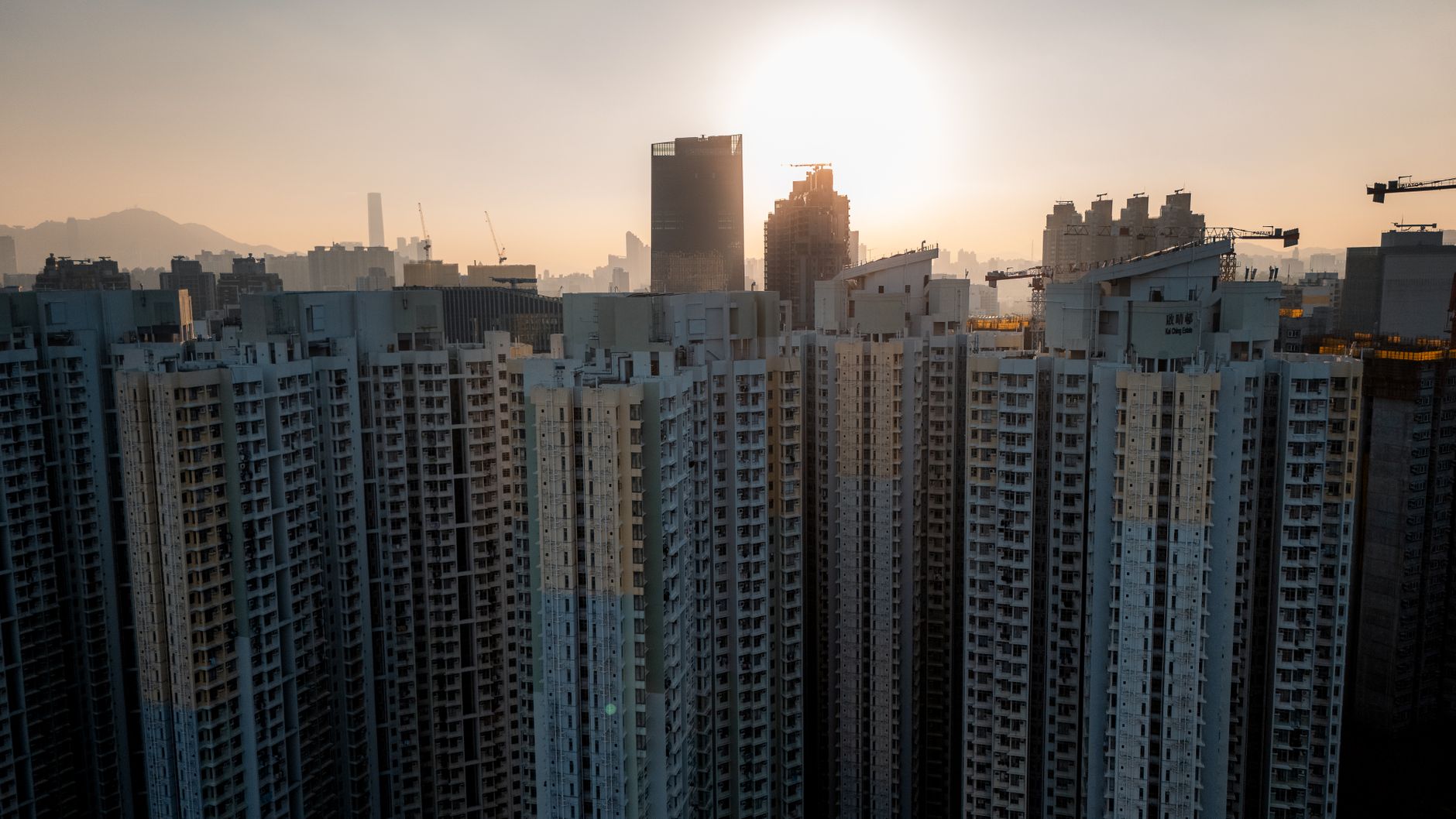
Hong Kong real estate is undergoing a significant transformation with a $28.6 billion project aimed at developing new homes, logistics hubs, and a tech city.
Overview of the $28.6bn project
In a significant development for the Hong Kong real estate market, a groundbreaking $28.6 billion project is set to reshape the landscape of the region. This ambitious initiative aims to transform existing villages into modern homes, logistics hubs, and a vibrant tech city, thereby addressing the pressing demand for housing and commercial spaces.
The project is designed to provide:
- New residential units: Aiming to accommodate the growing population, the initiative plans to build thousands of new homes to ensure that residents have access to quality living spaces.
- Logistics hubs: As Hong Kong continues to strengthen its position as a global trade center, the project will introduce state-of-the-art logistics facilities to enhance supply chain efficiency.
- Technology centers: By establishing a tech city, the project will foster innovation and attract startups, further bolstering Hong Kong’s reputation as a leading tech hub in Asia.
This extensive undertaking is not only expected to revitalize the area but also presents lucrative opportunities for investors looking at Hong Kong real estate. As the project progresses, stakeholders are optimistic about its potential to yield substantial returns in an evolving market.
Impact on local villages
The ongoing developments in Hong Kong real estate, particularly the $28.6 billion project, have significant implications for local villages. As these areas make way for new homes, logistics hubs, and a tech city, the impact on the communities that have long called these villages home is profound.
Many villagers are facing displacement, leading to a mixed response among residents. While some see the potential benefits of modern infrastructure and improved living conditions, others are concerned about losing their cultural heritage and community ties. The government has promised compensation and relocation assistance, but questions remain about the adequacy of these measures.
Residents express fears regarding:
- Loss of identity: The unique character of traditional villages may be lost forever.
- Displacement issues: Many residents worry about finding affordable housing in a rapidly changing market.
- Job security: As the local economy shifts, job opportunities may dwindle for those reliant on traditional industries.
The transformation of these villages raises crucial discussions about the balance between urban development and community preservation, making it a pivotal moment for the future of Hong Kong real estate.
Future of housing in Hong Kong
The future of housing in Hong Kong is shaped by significant developments, including the recent $28.6bn project aimed at transforming local villages into modern living spaces. As the city continues to grapple with a housing crisis, this initiative is seen as a crucial step towards meeting the growing demand for residential properties.
One of the central elements of this project is the construction of new homes that cater to a diverse population. With the integration of logistics hubs and tech facilities, the plan is to create not just living spaces but also a vibrant community that supports innovation and economic growth.
The Hong Kong real estate market is under intense scrutiny as these changes unfold. Stakeholders are keen to observe how these developments will impact property values and investment opportunities in the long term. The government’s commitment to revitalizing underutilized areas may draw both local and international investors, potentially reshaping the real estate landscape.
However, there are concerns regarding the displacement of existing communities and the preservation of cultural heritage. Balancing development with community needs will be vital to ensure a harmonious future for both residents and investors.
Logistics hubs explained
The development of logistics hubs in Hong Kong is set to play a crucial role in shaping the future of real estate in the region. These hubs are designed to streamline supply chain management and enhance the efficiency of goods distribution, making them a vital component of the $28.6 billion project.
Logistics hubs will not only facilitate trade but are also expected to create numerous job opportunities, which can positively influence the local economy. As more businesses seek to establish a presence in these hubs, the demand for nearby real estate is likely to increase.
- Strategic Location: Hong Kong’s geographical position as a gateway to Asia makes it an attractive site for logistics operations.
- Technological Integration: The incorporation of advanced technologies will enhance logistics efficiency and operational capabilities.
- Sustainability Focus: These hubs will incorporate eco-friendly practices, aligning with global trends toward sustainability.
As the logistics sector expands, investors looking at Hong Kong real estate may find new opportunities arising from the increased infrastructure and economic activity. The potential growth in this sector could redefine the attractiveness of real estate investments in the region.
The rise of tech cities
The development of tech cities in Hong Kong is rapidly transforming the landscape of the region, presenting new opportunities for real estate investment. With the government’s commitment to investing in technology and innovation, these tech hubs are designed to attract both local and international businesses.
As a result, the demand for housing in proximity to these tech cities is expected to surge. The influx of professionals and entrepreneurs seeking to live near their workplaces will likely drive up property values, making Hong Kong real estate a compelling investment opportunity. Key features of these tech cities include:
- Innovation Parks: Spaces dedicated to startups and tech companies, fostering collaboration and creativity.
- Smart Infrastructure: Advanced facilities equipped with cutting-edge technology to support modern lifestyles.
- Green Spaces: Integration of parks and recreational areas to enhance the quality of life for residents.
Moreover, the strategic location of these tech cities can create a ripple effect, boosting nearby neighborhoods and increasing overall property demand. As Hong Kong continues to evolve into a global tech hub, the real estate market is poised for growth, attracting savvy investors looking to capitalize on this trend.
Investment opportunities in real estate
The Hong Kong real estate market has long been a focal point for investors looking for lucrative opportunities amid its dynamic economic landscape. With the recent announcement of the $28.6 billion project, the potential for investment in this sector has never been more compelling.
As urban development continues to reshape the city, several key factors make Hong Kong real estate an attractive option:
- Strong Demand: The population density in Hong Kong ensures a constant demand for housing, making it a resilient market.
- Government Support: Initiatives aimed at improving infrastructure and housing availability reflect the government’s commitment to stimulating growth.
- Diverse Opportunities: From residential properties to commercial spaces and logistics hubs, the variety of investment options caters to different investor needs.
- Foreign Investment: Hong Kong remains a favored destination for foreign investors, contributing to a vibrant market.
Moreover, as the city adapts to new technologies and logistics demands, the potential for capital appreciation in various districts is likely to grow. Investors are encouraged to consider the long-term benefits of engaging in the Hong Kong real estate market as it evolves.
Challenges faced by developers
The Hong Kong real estate market is currently experiencing a transformative phase, but developers are facing significant challenges that could impact the overall investment landscape. One of the primary hurdles is the stringent regulatory environment, which can delay project approvals and increase costs. As developers navigate these regulations, they must also contend with rising construction expenses driven by inflation and supply chain disruptions.
Additionally, public sentiment towards development projects has shifted, with local communities often expressing concerns about the displacement of long-standing villages. This resistance can lead to prolonged negotiations and a need for developers to engage in community outreach to gain support.
Another challenge is the competition from alternative investment opportunities. As tech cities emerge and logistics hubs are established, investors are weighing their options, potentially leading to a diversion of capital away from traditional Hong Kong real estate ventures.
Despite these obstacles, some developers remain optimistic. They believe that by adapting to market demands and embracing innovative building practices, they can still capitalize on the potential of the Hong Kong real estate sector. However, the path forward requires agility and a keen understanding of both the market dynamics and community needs.
Community response to changes
The recent developments in Hong Kong real estate have sparked varied responses from the local community. Many residents express concerns about the impact of the $28.6 billion project on their way of life, fearing that the transformation may lead to a loss of cultural heritage.
Community forums have been organized to address these issues, allowing residents to voice their opinions and concerns. Key points raised include:
- Displacement of Locals: Many villagers worry about being displaced from their ancestral homes, which have been a part of their lives for generations.
- Environmental Impact: There is apprehension regarding ecological changes and the potential loss of green spaces.
- Affordable Housing: With the rise of new developments, residents are questioning whether affordable housing will be prioritized in the new urban plans.
- Job Opportunities: Some community members are hopeful that the project will create new job opportunities, particularly in logistics and technology sectors.
As the Hong Kong real estate landscape evolves, it is crucial for stakeholders to consider the community’s perspective, ensuring that development benefits all residents while preserving their heritage.
Photo by Willian Justen de Vasconcellos on Pexels