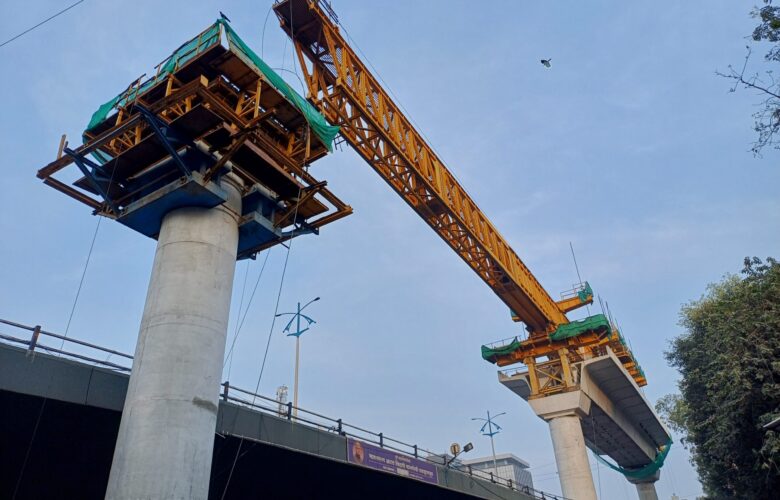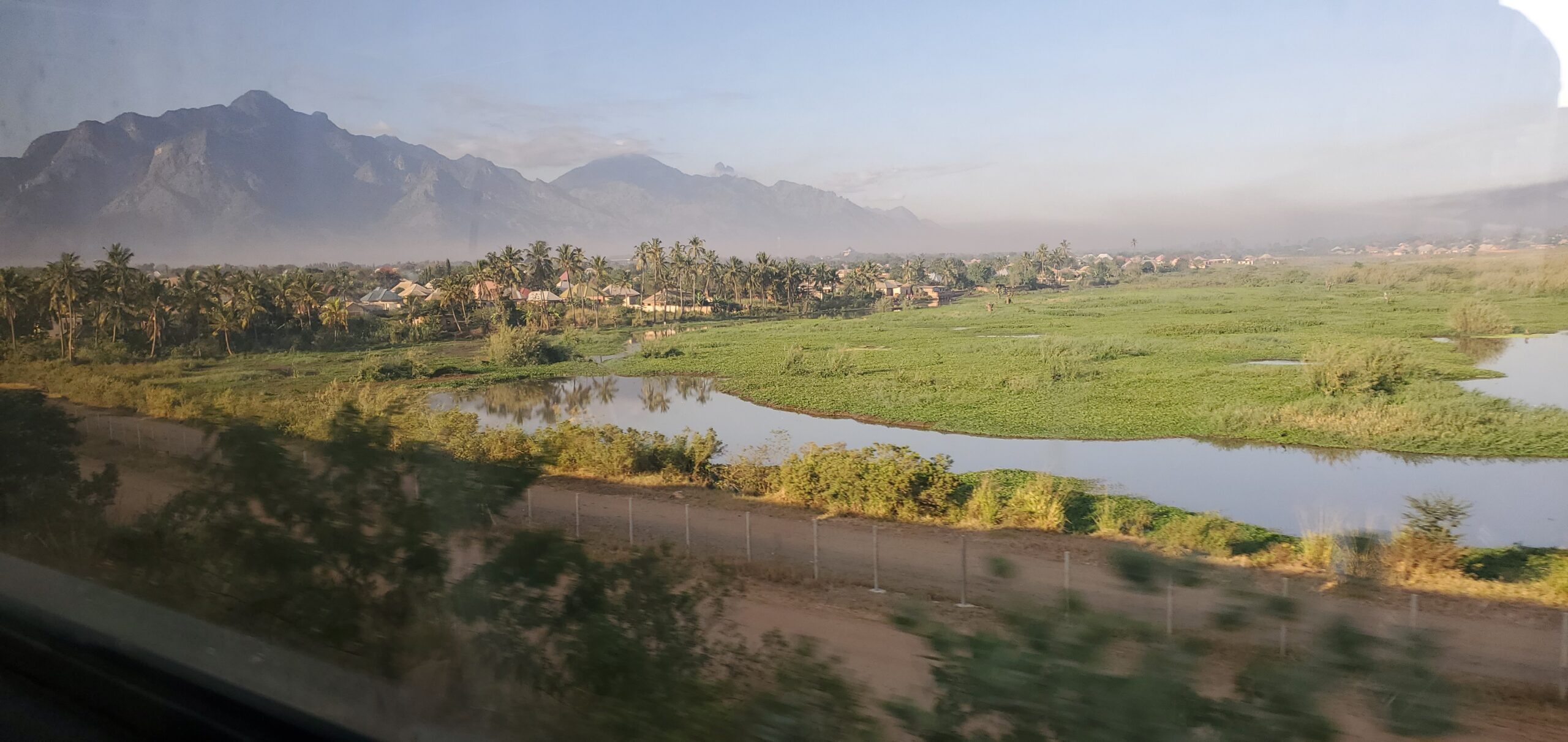
Tanzania standard gauge projects are currently seeking investors to enhance the nation’s infrastructure. This initiative aims to modernize rail transport and boost economic growth.
Overview of Tanzania’s Infrastructure Needs
Tanzania’s infrastructure development has become a critical focus for the government, particularly in light of the growing demand for efficient transportation systems. The country is actively seeking investors for its standard gauge projects, which aim to enhance connectivity and stimulate economic growth.
With a rapidly expanding population and increasing urbanization, Tanzania faces significant challenges in its infrastructure. The need for modern railways is paramount, as the current system is often inadequate to support economic activities and trade. The standard gauge projects are envisioned to replace outdated narrow-gauge railways, thereby boosting cargo capacity and reducing transit times.
Key factors driving the need for infrastructure improvements include:
- Economic Growth: An increase in trade activities necessitates robust transportation networks.
- Urbanization: Cities are growing rapidly, leading to greater demand for effective commuting options.
- Regional Integration: Enhanced rail connectivity can facilitate trade with neighboring countries.
- Job Creation: Infrastructure projects often lead to numerous employment opportunities during and after construction.
In summary, the Tanzania standard gauge projects represent a vital investment opportunity that aligns with the nation’s pressing infrastructure needs.
Investment Opportunities in Rail Projects
Tanzania’s standard gauge projects present a range of investment opportunities that are attracting both local and international investors. As the country seeks to enhance its transportation infrastructure, several specific areas stand out for potential engagement.
- Public-Private Partnerships (PPPs): The government is actively encouraging PPPs, allowing private investors to collaborate on the construction and operation of rail lines.
- Logistics and Supply Chain Management: With improved rail connectivity, there is a growing need for effective logistics services, providing investors with opportunities to establish companies that optimize supply chain operations.
- Real Estate Development: Areas surrounding new rail stations are likely to experience growth in real estate, offering investment prospects in commercial and residential properties.
- Technology and Innovation: Investors can explore opportunities in technology solutions for rail operations, including ticketing systems and maintenance technologies.
As Tanzania moves forward with its standard gauge projects, the potential for profit and growth makes it an attractive market for investors looking to contribute to the nation’s infrastructure development while achieving significant returns.
Benefits of Standard Gauge Railways
The development of standard gauge railways in Tanzania presents numerous benefits that can significantly enhance the country’s economic landscape. These benefits include:
- Improved Efficiency: Standard gauge railways allow for faster and more efficient transportation of goods and passengers compared to traditional narrow-gauge systems.
- Enhanced Connectivity: The projects will connect major urban centers and rural areas, fostering trade and commerce across the nation.
- Cost Reduction: By lowering transportation costs, standard gauge railways can stimulate economic growth and attract foreign investment.
- Job Creation: The construction and operations of these railways are expected to create thousands of jobs, contributing to local economies.
- Environmental Benefits: Rail transport is generally more environmentally friendly than road transport, reducing carbon emissions and traffic congestion.
- Boost to Tourism: Improved rail infrastructure can enhance the tourism experience by providing easier access to national parks and cultural sites.
In conclusion, the Tanzania standard gauge projects not only promise to modernize the country’s transport infrastructure but also present a myriad of investment opportunities that can drive sustainable development and economic prosperity.
Challenges Facing Investors in Tanzania
Investing in Tanzania’s standard gauge projects presents several challenges that potential investors must navigate. Understanding these obstacles is crucial for making informed decisions in the competitive landscape of railway development.
- Regulatory Environment: The legal framework surrounding infrastructure projects can be complex and daunting. Investors may face bureaucratic hurdles, including lengthy approval processes and regulatory uncertainties that can delay project timelines.
- Funding Constraints: Despite the promising investment opportunities, securing adequate financing remains a significant challenge. Many projects rely on both public and private funding, which can be unpredictable in volatile economic conditions.
- Logistical Issues: The geographical diversity of Tanzania poses logistical challenges. Inadequate transportation networks can hinder the movement of materials and labor to project sites, increasing costs and project timelines.
- Local Partnerships: Establishing reliable local partnerships is essential. Investors may encounter difficulties in identifying trustworthy local firms that can facilitate project execution and help navigate the local business environment.
- Political Stability: While Tanzania has made strides in improving its political climate, concerns about stability and governance can still affect investor confidence in long-term projects like the standard gauge railway initiatives.
Government Initiatives to Attract Investment
The Tanzanian government has launched several initiatives aimed at attracting investment in the Tanzania standard gauge projects. Recognizing the importance of modern infrastructure for economic growth, officials are actively promoting these projects to both local and international investors.
One of the key initiatives is the establishment of public-private partnerships (PPPs), which allow private entities to collaborate with the government in financing, constructing, and operating railway projects. This approach not only reduces the financial burden on the government but also enhances efficiency and innovation in project delivery.
Furthermore, the government is streamlining regulatory processes to make it easier for investors to enter the market. This includes:
- Reducing bureaucratic hurdles associated with project approvals.
- Providing incentives such as tax breaks and reduced tariffs for materials used in rail construction.
- Offering guarantees to protect investors from unforeseen risks.
Additionally, Tanzania is actively engaging with international financial institutions to secure funding for these projects, thereby increasing investor confidence. By fostering a conducive investment climate, the government aims to position Tanzania as a key player in the East African railway network, ultimately driving economic development and connectivity in the region.
Case Studies of Successful Rail Investments
The Tanzania standard gauge projects have garnered significant attention, showcasing successful rail investments that serve as prime examples for potential investors. Several case studies illustrate the positive impact of these projects on the economy and connectivity within the region.
One notable instance is the collaboration between the Tanzanian government and a consortium of international investors for the construction of the central corridor railway. This project, which connects Dar es Salaam to Mwanza, has improved freight transport efficiency and reduced costs for businesses. As a result, local trade has flourished, leading to increased economic activity.
Another remarkable case is the development of the Tanzania-Zambia Railway Authority (TAZARA), which has facilitated cross-border trade, enhancing regional integration. The TAZARA project exemplifies how strategic investments in rail infrastructure can yield significant returns while promoting economic stability.
Furthermore, the recent expansion of rail services to remote areas has improved access to markets, benefiting local communities. These successful case studies highlight the potential of the Tanzania standard gauge projects as attractive investment opportunities, encouraging new players to explore the thriving rail sector.
Investors are urged to consider these examples as they evaluate the promising landscape of rail investments in Tanzania.
Future Prospects for Tanzania’s Rail Network
The future of Tanzania’s rail network looks promising, driven by the Tanzania standard gauge projects that aim to enhance connectivity and stimulate economic growth. As the government continues to invest in upgrading its rail infrastructure, several opportunities emerge for both local and foreign investors.
One of the key prospects lies in the expansion of the railway network to connect major economic hubs, which will facilitate trade and reduce transportation costs. The government has prioritized the completion of the central and northern corridors, making it easier to access ports and other critical markets.
Additionally, the integration of modern technology into railway operations presents another investment avenue. Innovations in signaling systems, maintenance, and logistics management can significantly improve efficiency and safety. Furthermore, collaboration with international firms that possess expertise in rail construction and management can enhance the quality of the projects.
Moreover, the focus on sustainability within the Tanzania standard gauge projects opens doors for green investment opportunities, such as eco-friendly rail systems and renewable energy solutions. As the country continues to seek investors, those who align their strategies with the government’s vision for a robust rail network stand to benefit immensely in the long run.
Investors should closely examine the Tanzania standard gauge projects, as they present significant opportunities in infrastructure development. Additionally, the expansion of the Tanzania standard gauge projects could lead to increased trade and economic growth in the region.
By Godson mbilinyi via Openverse
Sources
PA Online Casinos: The Best New Launches for November 2026 · Foreign investment route: Is it the best option for REITs? · Pune Metro Line 3: The Best Quick Connection for Commuters