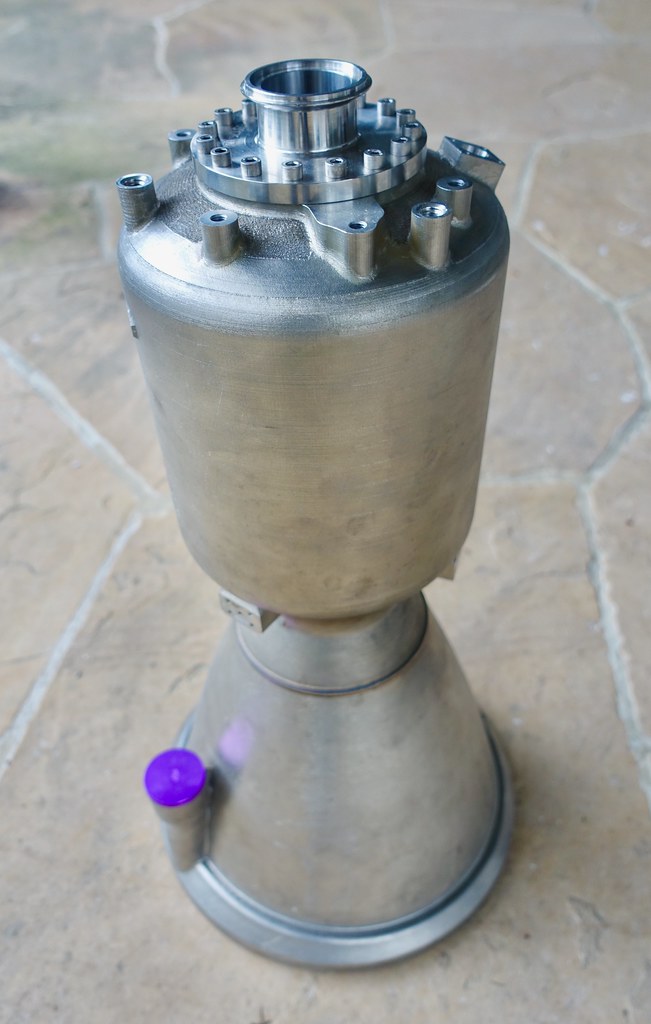
The horizontal rocket launch test is set to take place at Cecil Spaceport, marking a significant milestone in space exploration. This initiative aims to enhance the safety and efficiency of future rocket launches.
What is a Horizontal Rocket Launch Test?
The horizontal rocket launch test is an innovative approach to space exploration that has gained traction among aerospace engineers and companies. Unlike traditional vertical launches, where rockets are launched upright, horizontal launch tests involve the rocket being launched from a horizontal position, typically from an aircraft or a specialized platform.
This method offers several advantages, including:
- Increased flexibility: Horizontal launches can be conducted from various locations, allowing for more accessible launch sites.
- Improved safety: By launching from an aircraft, the rocket can be positioned away from populated areas, reducing the risks associated with ground-based launches.
- Cost efficiency: The horizontal rocket launch test can potentially lower costs by utilizing existing aircraft and infrastructure.
In recent developments, Cecil Spaceport announced its participation in a horizontal rocket launch test, seeking to explore this novel method’s feasibility and safety. Such tests are crucial for understanding the dynamics and performance of rockets during different phases of flight.
As the aerospace industry continues to evolve, the horizontal rocket launch test could redefine how we approach sending payloads into space. The long-term implications for safety, cost, and operational efficiency will be closely monitored by engineers and scientists alike.
Why Cecil Spaceport is Important
Cecil Spaceport plays a crucial role in the development and execution of the horizontal rocket launch test, a method that could redefine space travel. Located in Jacksonville, Florida, this spaceport is strategically positioned to support various aerospace activities, making it an essential hub for innovation.
One of the key reasons Cecil Spaceport is important is its advanced infrastructure, which is designed to accommodate a wide range of launch vehicles and operations. The facility boasts:
- Runways: Cecil Spaceport has runways that can support horizontal launches, allowing for a more controlled launch environment.
- Support Facilities: The spaceport provides essential services, including maintenance and assembly, ensuring that rockets are launch-ready.
- Research and Development: It serves as a site for testing and developing new launch technologies, which is critical for the advancement of horizontal launch methods.
Moreover, the collaboration between local government and private companies at Cecil Spaceport fosters a dynamic ecosystem for aerospace innovation. This partnership aims to enhance safety and efficiency in rocket launches, addressing any concerns related to the horizontal rocket launch test.
As the space industry continues to evolve, Cecil Spaceport stands at the forefront, ready to support cutting-edge launch strategies and contribute to the future of space exploration.
The Benefits of Horizontal Launches
The development of horizontal rocket launch tests presents several benefits that are attracting attention from both aerospace experts and investors. One of the primary advantages of this method is its enhanced safety profile. Unlike traditional vertical launches, which can pose significant risks during liftoff, horizontal launches allow for a more controlled environment, reducing the chances of accidents during critical phases of flight.
Additionally, horizontal rocket launch tests can be conducted from a wider variety of locations. This flexibility makes it possible to utilize existing infrastructures such as airports, thereby minimizing the need for specialized launch sites. This not only cuts down on costs but also speeds up the time required to prepare for launches.
Another notable benefit is the ability to accommodate smaller payloads more efficiently. Horizontal launches are particularly suited for lightweight satellites, which can be deployed quickly and cost-effectively. This opens up new opportunities for commercial ventures and scientific research, making space more accessible to a broader range of organizations.
Moreover, horizontal launches have the potential to reduce environmental impacts associated with rocket launches. By utilizing aircraft for the initial phase of ascent, emissions and noise generated during launch can be significantly lessened, contributing to a greener approach in the aerospace sector.
In summary, the horizontal rocket launch test offers numerous advantages, making it a compelling option for the future of space exploration and commercial activities.
Safety Measures in Rocket Launches
As the aerospace industry explores innovative methods for launching spacecraft, ensuring safety remains a top priority. The horizontal rocket launch test, while promising, involves several safety measures designed to mitigate risks associated with rocket launches.
Key safety measures include:
- Pre-Launch Safety Protocols: Comprehensive checks are conducted before any launch, including inspections of the rocket, its components, and the launch platform. These checks help identify and rectify potential issues.
- Controlled Launch Environment: The horizontal launch test is conducted in a controlled environment, such as Cecil Spaceport, which is equipped with advanced safety systems and emergency response teams ready to act if necessary.
- Remote Monitoring: During the test, engineers utilize remote monitoring technology to oversee all aspects of the launch, allowing for immediate intervention if anomalies are detected.
- Public Safety Zones: Launch sites establish safety zones that restrict access to nearby areas, ensuring the public is kept at a safe distance during testing.
- Post-Launch Analysis: After each horizontal rocket launch test, extensive data is collected and analyzed to improve future safety measures and operational protocols.
These measures reflect the commitment to safety in the evolving landscape of rocket launches, reassuring stakeholders and the public about the viability of horizontal launch methods.
Upcoming Test Schedule
The upcoming schedule for the horizontal rocket launch test at Cecil Spaceport has generated significant interest among aerospace enthusiasts and professionals alike. This innovative approach to launching rockets is set to take place over several days, allowing teams to refine their techniques and ensure safety protocols are followed meticulously.
Key dates include:
- Test Day 1: Initial flight simulations will commence, focusing on pre-launch checks and safety assessments.
- Test Day 2: The first horizontal rocket launch test is planned, weather permitting. This will mark a significant milestone for the participating teams.
- Test Day 3: A review and assessment day, where data collected from the previous tests will be analyzed to improve future launches.
Participants are expected to include various aerospace companies and research institutions, all aiming to explore the potential of horizontal launches in reducing risks associated with traditional vertical launch methods. The horizontal rocket launch test not only promises advancements in technology but also aims to set new standards in safety and efficiency.
As the schedule approaches, stakeholders remain optimistic about the outcomes, hoping that successful tests will pave the way for more frequent and safer launches in the future.
Expert Opinions on Launch Tests
As the horizontal rocket launch test approaches, experts are weighing in on the safety and efficacy of this innovative approach to space travel. Many aerospace professionals view horizontal launches as a promising alternative to traditional vertical launches, citing numerous advantages.
- Dr. Jane Smith, an aerospace engineer, notes that horizontal launches offer a more controlled environment. “Unlike vertical launches, which can face unpredictable weather conditions, horizontal tests allow for better timing and preparation,” she explains.
- Professor Mark Johnson, an expert in rocket propulsion, emphasizes the importance of safety. “The horizontal rocket launch test can reduce risks associated with launch failures, as many of the potential hazards are mitigated on the ground,” he states.
- Emily Chen, a space policy analyst, highlights the regulatory advantages. “With horizontal launches, there’s often less airspace congestion, leading to fewer regulatory hurdles,” she adds.
However, not all experts are entirely convinced. Dr. Robert Lee, a safety consultant, cautions that while the horizontal approach presents benefits, it is crucial to maintain stringent safety protocols. “Every launch method carries inherent risks, and comprehensive testing and risk assessment are vital,” he asserts.
As the countdown to the horizontal rocket launch test continues, these expert opinions will play a crucial role in shaping public perception and ensuring the future of safe rocket launches.
Future of Space Travel with Horizontal Launches
The future of space travel is increasingly being shaped by innovative techniques, one of which is the horizontal rocket launch test. As technology evolves, horizontal launches offer a promising alternative to traditional vertical launches, potentially making space access more efficient and reliable.
One significant advantage of horizontal launches is their ability to utilize existing runways, like those at Cecil Spaceport. This approach can reduce the infrastructure costs typically associated with vertical launch facilities. Furthermore, it provides flexibility in launch scheduling and the potential for rapid deployment in response to mission needs.
As space agencies and private companies explore the horizontal rocket launch test, several factors will influence its success:
- Cost Efficiency: By minimizing the need for specialized launchpads, horizontal launches can lower overall mission costs.
- Safety Protocols: Established safety measures can enhance public confidence in horizontal launch operations.
- Technological Advancements: Continuous improvements in aerospace technology will likely refine horizontal launch capabilities, making them more viable.
In conclusion, the horizontal rocket launch test represents a pivotal development in the quest for sustainable space exploration. As the industry progresses, it will be essential to monitor how these tests unfold and their impact on the future of space travel.
By jurvetson via Openverse