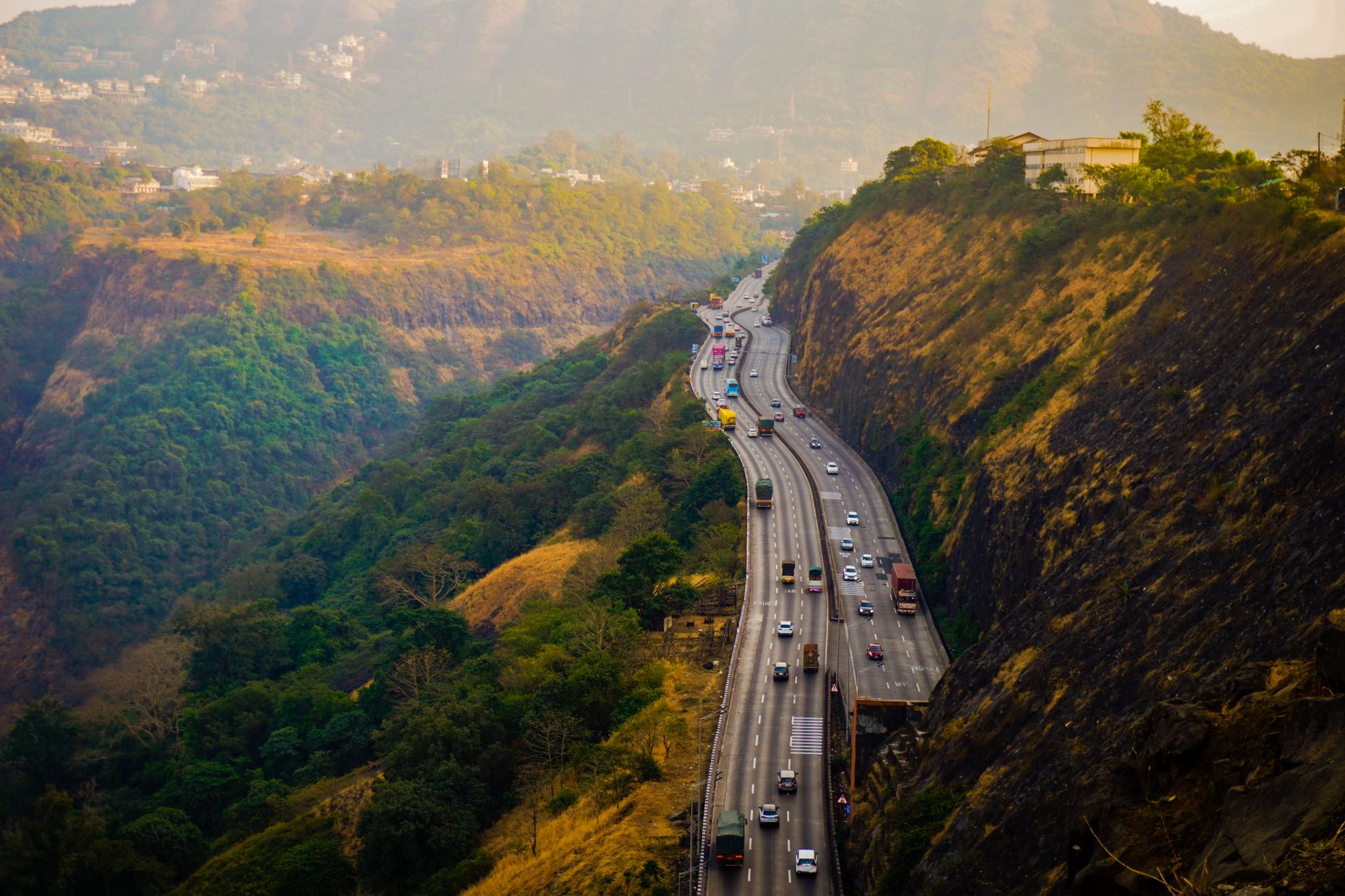
Infrastructure projects Western Ghats are causing significant changes in local communities, raising concerns about their future. As these projects expand, the balance between development and community welfare is increasingly in question.
Overview of Infrastructure Projects
The Western Ghats, a UNESCO World Heritage site, are currently witnessing a surge in infrastructure projects aimed at enhancing connectivity and economic growth. These initiatives include road expansions, dam constructions, and urban development projects that are reshaping the landscape of this ecologically sensitive region.
While the government promotes these infrastructure projects in the Western Ghats as essential for development, local communities are often caught in a complex web of benefits and challenges. Residents have expressed both hope and concern regarding the impacts of these projects.
- Economic Opportunities: Improved infrastructure can lead to increased job prospects, better access to markets, and enhanced tourism potential.
- Environmental Concerns: The region’s biodiversity is at risk, with deforestation and habitat destruction threatening many species.
- Social Displacement: Many local communities face displacement due to land acquisition, leading to loss of homes and cultural heritage.
As these projects unfold, the balance between development and preservation remains a critical issue for the communities residing in the Western Ghats.
Impact on Local Communities
The recent surge in infrastructure projects in the Western Ghats has sparked significant changes in local communities, both positive and negative. As roads, bridges, and other facilities are constructed, residents often experience a shift in their daily lives.
Many community members have voiced their concerns about the potential downsides, including:
- Displacement: Families may be forced to relocate due to land acquisition for new projects.
- Environmental degradation: Increased construction can lead to habitat destruction and loss of biodiversity.
- Loss of cultural heritage: Traditional practices and local customs may be overshadowed by modernization efforts.
On the other hand, there are some perceived benefits. Improved transportation can lead to:
- Economic opportunities: Enhanced access to markets can boost local businesses and create jobs.
- Better healthcare and education: Improved infrastructure often means easier access to essential services.
Ultimately, while infrastructure projects in the Western Ghats promise growth, they also pose challenges that must be carefully managed to ensure the well-being of local communities.
Environmental Concerns
The rapid development of infrastructure projects in the Western Ghats has raised significant environmental concerns among local communities and conservationists alike. As construction activities increase, the delicate ecosystems in this UNESCO World Heritage site face unprecedented threats.
One major issue is the disruption of biodiversity. The Western Ghats are home to numerous endemic species, many of which are already endangered. The expansion of roads, railways, and other infrastructure projects leads to habitat fragmentation, making it difficult for wildlife to thrive.
Moreover, the alteration of natural water flow due to construction can result in soil erosion and increased flooding, further impacting local agriculture and livelihoods. Communities that historically relied on the rich resources of the Ghats are now at risk as their environments change dramatically.
- Loss of habitat: Unique flora and fauna face extinction.
- Water scarcity: Changes in water routes affect local supplies.
- Increased pollution: Construction activities release harmful substances into the environment.
These environmental ramifications highlight the urgent need for sustainable practices in planning and executing infrastructure projects in the Western Ghats.
Government Policies and Regulations
The expansion of infrastructure projects in the Western Ghats has prompted the government to implement various policies and regulations aimed at balancing development with environmental preservation. These policies are designed to ensure that infrastructure projects do not disrupt the local ecosystems or the communities that depend on them.
Key government initiatives include:
- Environmental Impact Assessments (EIAs): Before the commencement of any project, EIAs are conducted to evaluate potential impacts on the surrounding environment and local communities.
- Community Consultations: Authorities are mandated to engage with local populations to gather feedback and address concerns regarding infrastructure projects in the Western Ghats.
- Regulatory Frameworks: The government has established regulations that govern land use, ensuring that development activities adhere to sustainable practices.
Despite these efforts, challenges persist. Many local communities feel that their voices are often overlooked in the decision-making process. Moreover, the speed at which infrastructure projects are being implemented raises concerns about adherence to regulations. As development continues, finding a balance between progress and preservation remains a critical task for policymakers in the region.
Community Responses and Adaptations
As infrastructure projects in the Western Ghats continue to expand, local communities are responding in various ways to the changes around them. Many residents express a mix of optimism and concern regarding these developments, highlighting both the potential benefits and the challenges they bring.
Some community members have noted improvements in accessibility and transportation, which have opened new economic opportunities. However, this comes at a cost, as the rapid pace of construction often leads to disruptions in daily life and traditional practices.
In response, several communities have initiated grassroots movements aimed at voicing their concerns and advocating for sustainable practices. These movements focus on:
- Preserving Cultural Heritage: Efforts to maintain local traditions and practices that may be threatened by ongoing projects.
- Environmental Conservation: Collaborating with environmental groups to ensure that infrastructure projects do not irreparably harm the ecosystem.
- Community Engagement: Seeking dialogue with government officials to ensure community needs and voices are considered in project planning.
Ultimately, the balance between progress and preservation remains a critical challenge for communities in the Western Ghats.
Future of the Western Ghats
The future of the Western Ghats is increasingly intertwined with ongoing infrastructure projects, which promise both development and challenges for local communities. As these initiatives expand, it is crucial to consider their long-term implications.
Many residents fear that rapid urbanization and infrastructural growth may lead to the erosion of cultural identities and displacement from ancestral lands. The delicate balance between modernity and tradition remains a pressing concern.
Moreover, the ecological consequences of infrastructure projects in the Western Ghats cannot be overlooked. The region is home to diverse flora and fauna, and the disruption of habitats poses a significant threat to biodiversity.
Local communities are adapting by forming coalitions to advocate for sustainable development practices. They are increasingly vocal about their needs and rights, pushing for a model that prioritizes environmental preservation alongside economic growth.
As stakeholders navigate the complexities of infrastructure projects in the Western Ghats, the challenge will be to ensure that progress does not come at the expense of the people who have called this region home for generations.
Infrastructure projects Western Ghats have sparked a debate among local communities about their long-term effects on the environment and livelihoods. As these developments progress, the real impact on communities is becoming increasingly evident.
Photo by Rishu Bhosale on Pexels