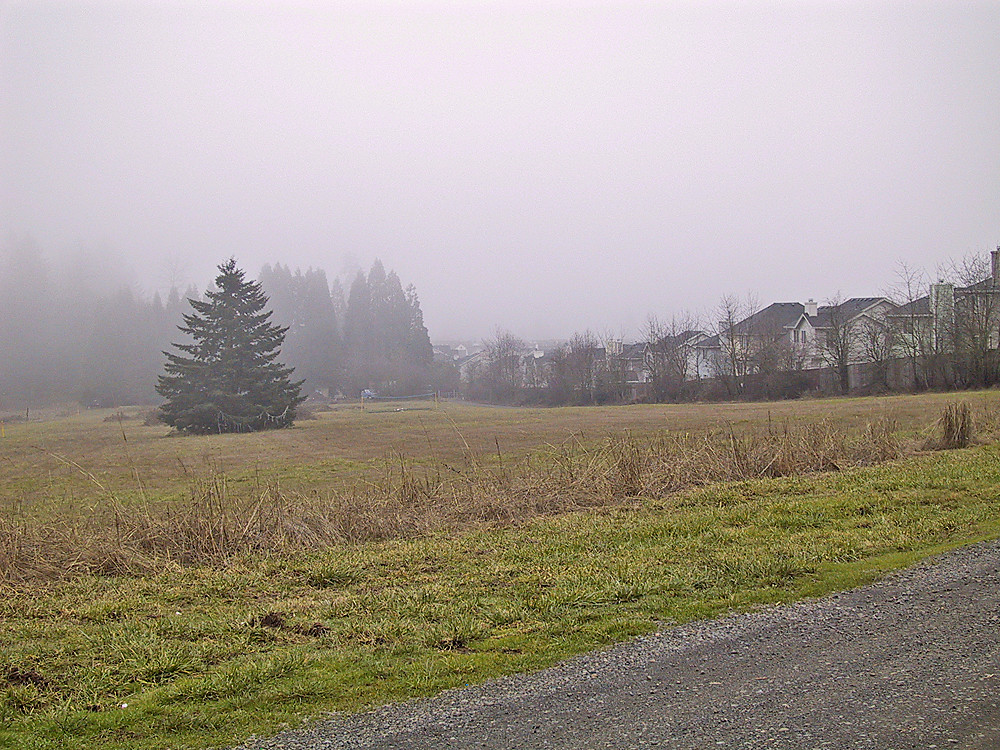
The urban growth boundary is a crucial factor in the ongoing discussion about housing affordability. This article explores how it influences house prices and what that means for potential buyers.
Understanding Urban Growth Boundaries
Urban growth boundaries (UGBs) are zoning regulations set by municipalities to control the expansion of urban areas. These boundaries are designed to limit the geographical area in which development can occur, thereby preserving open space, agricultural land, and natural resources. Understanding the implications of urban growth boundaries is essential for analyzing their impact on housing markets.
One of the primary objectives of UGBs is to promote sustainable development by concentrating growth within defined areas. However, this can lead to unintended consequences, particularly concerning house prices. When the supply of land available for new housing is restricted, demand can outpace supply, resulting in increased housing costs.
Several factors contribute to the relationship between urban growth boundaries and house prices:
- Supply Constraints: Limited land for development can create a scarcity of housing options.
- Increased Demand: As urban areas become more desirable, competition for available homes intensifies.
- Investment Appeal: Higher prices can attract more investors, further driving up costs.
As cities grapple with the balance between growth and preservation, understanding these dynamics is crucial for policymakers and residents alike.
How Housing Prices Are Determined
The determination of housing prices is influenced by a multitude of factors, each playing a critical role in shaping the market. One significant aspect is the availability of land, which is often restricted by policies such as the urban growth boundary. This boundary limits the expansion of urban areas, effectively curbing the supply of new housing developments.
Several key factors contribute to the dynamics of housing prices:
- Supply and Demand: When housing demand outpaces supply, prices tend to rise. Urban growth boundaries can exacerbate this situation by limiting where new homes can be built.
- Location: Properties in desirable areas tend to command higher prices. The urban growth boundary may push development to less desirable locations, impacting overall market prices.
- Economic Conditions: Local job markets and income levels directly affect what people can afford to pay for housing, influencing prices significantly.
- Interest Rates: Lower interest rates can make borrowing cheaper, leading to increased demand for housing and potential price increases.
Overall, understanding how the urban growth boundary interacts with these factors is crucial for comprehending its impact on house prices.
The Effect on Homebuyers
The urban growth boundary has significant implications for homebuyers, particularly in rapidly developing metropolitan areas. As cities expand, these boundaries are established to control sprawl and encourage more sustainable land use. However, this regulation can lead to a tight housing market, resulting in rising prices.
One of the primary effects on homebuyers is the limitation of available land for new housing developments. With fewer options for new construction, competition among buyers intensifies, which can drive prices higher. Many prospective homeowners find themselves in bidding wars, often pushing them beyond their financial limits.
Additionally, the urban growth boundary can lead to increased demand for existing homes within the designated area. As more people seek to live within these boundaries, the value of homes increases, making it challenging for first-time buyers to enter the market.
Moreover, the perception of a desirable location can also affect prices. Homes located near urban amenities, parks, and schools within the boundary often see a surge in demand, further exacerbating affordability issues for many.
In summary, while urban growth boundaries aim to create more sustainable cities, their impact on home prices can significantly affect aspiring homeowners, making it essential to consider these factors when navigating the housing market.
Comparative Analysis of Regions
In examining the relationship between urban growth boundaries and house prices, a comparative analysis of various regions reveals significant trends. Cities that have implemented strict urban growth boundaries often experience stark differences in housing affordability compared to those without such regulations.
- Region A: This area has enforced an urban growth boundary for over a decade. As a result, home prices have escalated by approximately 30% in the past five years, largely attributed to limited land availability and increased demand.
- Region B: Lacking an urban growth boundary, Region B has maintained a more stable housing market. House prices have risen, but only by around 10% in the same timeframe, suggesting that unrestricted development can alleviate some pressure on affordability.
- Region C: With a recently established urban growth boundary, this region is witnessing a surge in prices even before the policy is fully implemented. The anticipation of restricted land development is already influencing buyer behavior.
This comparative analysis underscores the complex dynamics at play between urban growth boundaries and housing prices, highlighting the need for careful consideration in policy-making to balance growth and affordability.
Expert Opinions on Housing Trends
Experts in urban planning and real estate have weighed in on the implications of the urban growth boundary on housing prices. According to Dr. Jane Thompson, a renowned urban economist, “The establishment of urban growth boundaries can have a dual effect on real estate markets.” She emphasizes that while these boundaries aim to control sprawl and preserve green spaces, they can unintentionally lead to increased housing costs.
Furthermore, Professor Michael Grant, a housing policy analyst, notes that “The limited availability of land within the boundaries creates a competitive market, driving prices upward.” This sentiment is echoed by local real estate agents who have observed a surge in demand for homes just outside established boundaries, where prices remain relatively lower.
Other experts highlight the long-term effects of these policies. Dr. Sarah Lee warns that “As urban growth boundaries restrict development, we may see increased housing shortages, which could exacerbate affordability issues for many families.”
- Increased competition within boundaries
- Pressure on homebuyers to seek alternatives
- Long-term affordability concerns
Overall, the expert consensus suggests that while urban growth boundaries serve important environmental purposes, their impact on housing prices warrants careful consideration.
Future Predictions for the Market
As cities continue to expand, the concept of an urban growth boundary has emerged as a critical factor influencing housing markets. Looking ahead, several future predictions can be made regarding the impact of these boundaries on house prices.
Experts suggest that as urban growth boundaries remain in place, housing supply will continue to be constrained. This limitation may lead to:
- Increased housing demand: With fewer available properties, buyers will face heightened competition, driving prices higher.
- Potential for urban sprawl: As buyers seek affordable options outside the boundaries, this could lead to increased development pressure on rural areas.
- Investment opportunities: Investors may target areas adjacent to urban growth boundaries, anticipating future price hikes as demand spills over.
Moreover, the ongoing trend of remote work could further complicate the market. With more individuals able to work from anywhere, demand for homes in traditionally less desirable areas may rise, impacting overall price dynamics.
Ultimately, while the urban growth boundary aims to manage city expansion sustainably, its effects on house prices will require careful monitoring and analysis in the coming years.
By Brett VA via Openverse