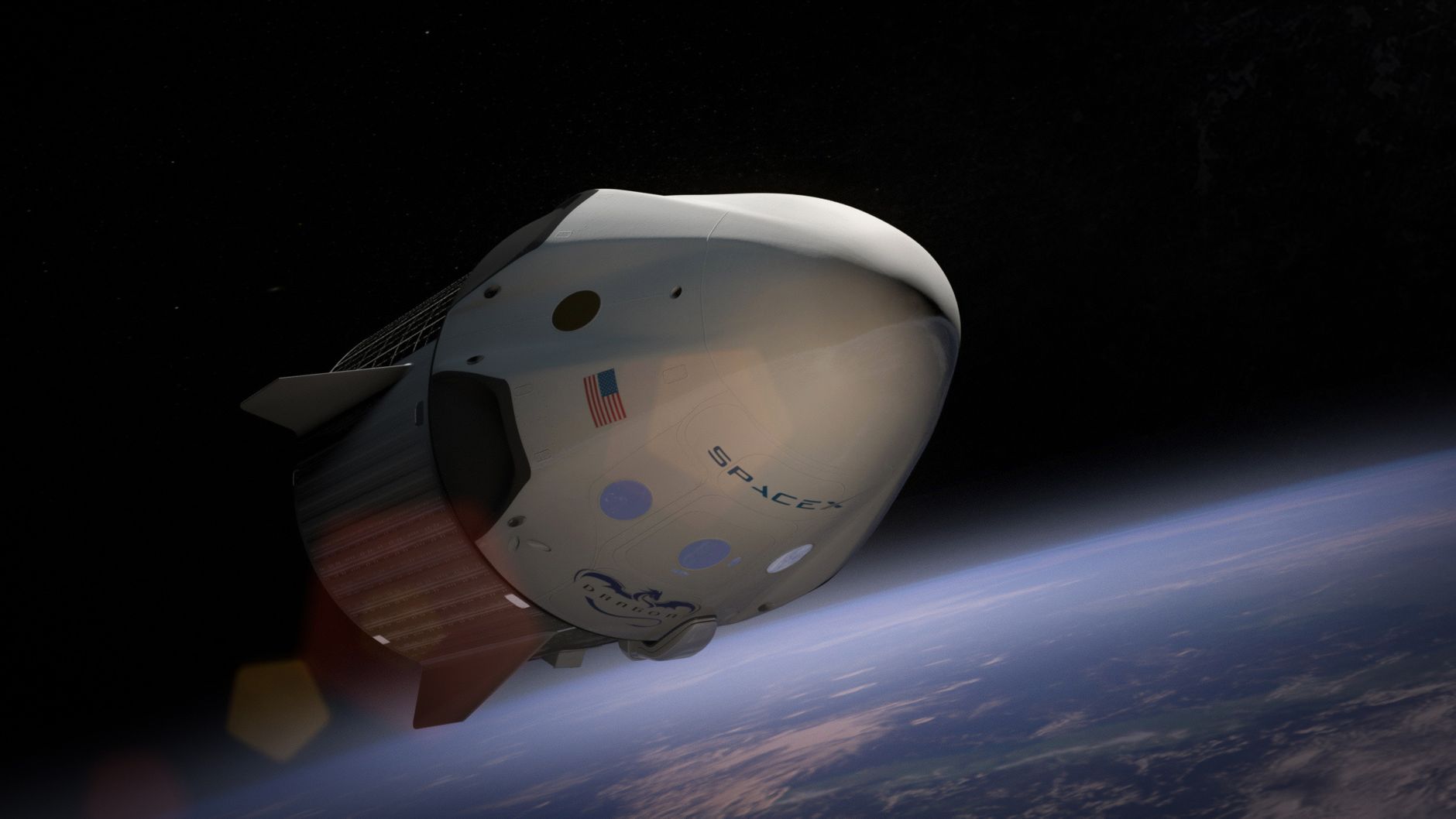
The autonomous space mission by AstroForge is set to change the future of space exploration. This groundbreaking initiative aims to launch the world’s first fully autonomous mission in 2027.
Introduction to AstroForge
AstroForge, an innovative asteroid-mining company, is set to make history with its groundbreaking plans for the world’s first autonomous space mission, scheduled for launch in 2027. This ambitious project represents a significant leap forward in space exploration and resource extraction, positioning AstroForge as a pioneer in the emerging field of asteroid mining.
The autonomous space mission aims to demonstrate cutting-edge technologies that will enable spacecraft to operate independently in the harsh environment of space. By utilizing advanced AI and robotic systems, AstroForge intends to minimize human intervention, thereby increasing efficiency and safety during missions to extract valuable materials from asteroids.
Key objectives of the AstroForge mission include:
- Resource Identification: The spacecraft will be equipped with tools to identify and assess the composition of target asteroids.
- Mining Technology Testing: The mission will test innovative mining techniques in a real space environment.
- Data Collection: Continuous data collection during the mission will provide invaluable insights into the feasibility of future commercial asteroid mining operations.
As the world increasingly looks to space for new resources, the success of this autonomous space mission could pave the way for sustainable practices in space exploration and mark the beginning of a new era in resource utilization beyond Earth.
What is Asteroid Mining?
Asteroid mining is an innovative concept that involves extracting valuable resources from asteroids in space. This emerging industry has gained significant attention due to its potential to supply essential materials for both Earth and future space missions. The process typically involves locating asteroids rich in metals such as gold, platinum, and rare earth elements, which are crucial for technology and industry.
The idea of mining asteroids is not just a theoretical exercise; it has practical implications for the future of space exploration. As Earth’s resources become increasingly scarce, the need for alternative sources of materials has never been more pressing. Asteroids are believed to contain vast amounts of resources that could be harvested and transported back to Earth or used in situ to support space missions.
AstroForge, an asteroid-mining company, is at the forefront of this revolutionary field. They are preparing to launch the world’s first autonomous space mission in 2027, which aims to demonstrate the viability of asteroid mining. This autonomous space mission will utilize advanced technologies to locate and extract resources efficiently, minimizing human intervention.
As the concept of asteroid mining evolves, it holds the promise of not only transforming industries on Earth but also enabling sustained human presence in space. The success of such initiatives may redefine our approach to resource management and exploration in the cosmos.
The Technology Behind Autonomous Missions
The success of autonomous space missions hinges on a variety of advanced technologies that enable spacecraft to operate without direct human intervention. These innovations are critical for missions that require high levels of precision and adaptability, especially in the challenging environment of space.
One of the key technologies driving autonomous space missions is artificial intelligence (AI). AI systems allow spacecraft to analyze data in real-time, make decisions, and adjust their trajectories as necessary. This capability is essential for navigating the unpredictable conditions of space and ensuring mission objectives are met.
Another important component is sensors and imaging systems. These tools provide vital information about the spacecraft’s surroundings, enabling it to identify objects, measure distances, and assess environmental factors. Advanced imaging systems can also facilitate the evaluation of asteroid surfaces during missions, critical for the success of asteroid mining.
Furthermore, communication technology plays a crucial role in autonomous missions. Reliable and efficient communication systems ensure that data is transmitted back to Earth for analysis, allowing scientists to monitor mission progress and make necessary adjustments remotely.
In conclusion, the fusion of AI, sensors, and communication technology is paving the way for successful autonomous space missions. As companies like AstroForge prepare to launch groundbreaking missions by 2027, these technologies will be instrumental in achieving their objectives in the realm of asteroid mining.
AstroForge’s Mission Timeline
AstroForge’s ambitious plans for the first autonomous space mission are meticulously laid out in their mission timeline, emphasizing the company’s commitment to revolutionizing asteroid mining. The timeline consists of several key phases, each designed to ensure the mission’s success.
- 2024 – Finalizing Technology and Design: In the upcoming year, AstroForge will refine the technologies required for its autonomous spacecraft. This phase includes rigorous testing and validation of all systems.
- 2025 – Prototype Launch: The company aims to launch a prototype mission to demonstrate the capabilities of its autonomous systems in a controlled environment. This will serve as a crucial step towards full-scale deployment.
- 2026 – Full Mission Planning: During this year, AstroForge will finalize its mission parameters, including target asteroids and mining strategies. This phase will also involve partnerships with international space agencies to align objectives.
- 2027 – Launch of Autonomous Space Mission: The highlight of the timeline, AstroForge plans to launch the world’s first autonomous space mission. This historic event will mark a significant milestone in space exploration and mining.
Each stage of the mission timeline reflects AstroForge’s dedication to perfecting the processes involved in autonomous space missions, positioning them as pioneers in the field of asteroid mining.
Benefits of Autonomous Space Missions
Autonomous space missions present a range of benefits that can significantly enhance the efficiency and effectiveness of space exploration. These missions leverage advanced technologies to operate without direct human intervention, allowing for unprecedented opportunities in the realm of asteroid mining and beyond.
One of the primary advantages of autonomous space missions is cost-effectiveness. By minimizing the need for human presence in space, organizations can reduce expenses related to life support systems and crew training. This allows for reallocation of resources towards research and development, making missions more financially viable.
Additionally, autonomous missions can operate in environments that are too hazardous for human astronauts. This capability enables exploration of asteroids and other celestial bodies that may pose risks, thereby expanding the potential for discovery and resource extraction.
Another significant benefit is the increased operational efficiency. Autonomous systems can perform tasks continuously and with great precision, leading to better data collection and analysis. For instance, AstroForge’s upcoming autonomous space mission aims to gather invaluable information that could revolutionize our understanding of mineral resources in space.
Moreover, these missions can be designed to adapt and respond to unexpected situations in real-time, enhancing their resilience in the face of challenges. As demonstrated by AstroForge’s commitment to launching the world’s first autonomous space mission in 2027, the future of space exploration looks promising.
Challenges in Space Exploration
Space exploration is fraught with challenges that must be navigated carefully to ensure the success of any mission, particularly an autonomous space mission like the one planned by AstroForge. Understanding these challenges is crucial for advancing technology and achieving the goals set forth by space organizations.
One of the primary challenges faced in space exploration is the harsh environment of space itself. Factors such as radiation, extreme temperatures, and microgravity can significantly affect both the equipment and the success of the mission. To address these issues, engineers must develop robust systems that can withstand such conditions while operating autonomously.
Additionally, communication delays pose a significant hurdle. In an autonomous space mission, the spacecraft must make real-time decisions without immediate input from Earth. This necessitates the use of advanced artificial intelligence algorithms capable of responding to unexpected situations.
Another challenge is resource management. Space missions require precise planning regarding fuel and materials, especially when mining asteroids. Autonomous missions must be equipped with systems to assess and optimize resources effectively.
Finally, safety is paramount. Ensuring the spacecraft can navigate and complete its mission without risking its integrity or the potential for collisions is vital. As AstroForge prepares for its groundbreaking mission, these challenges remain at the forefront of considerations to ensure a successful autonomous space mission.
Future of Space Mining
The future of space mining is poised for significant advancements with the upcoming autonomous space mission set to launch by AstroForge in 2027. This pioneering initiative aims to explore and extract valuable resources from asteroids, paving the way for a new era in resource acquisition beyond Earth.
As technology evolves, the potential for autonomous missions to reshape mining practices increases. The following are key aspects that highlight the importance of this venture:
- Resource Accessibility: Asteroids are rich in resources like precious metals and water, crucial for future space exploration and settlement.
- Cost Efficiency: Autonomous operations can significantly reduce the costs associated with human involvement, making space mining more economically viable.
- Technological Innovation: The development of advanced robotics and AI for autonomous missions will lead to breakthroughs applicable in various industries on Earth.
- Sustainability: Extracting resources from asteroids could alleviate the pressure on Earth’s natural resources, promoting a sustainable future.
As AstroForge prepares for its autonomous space mission, the implications of successful asteroid mining extend beyond immediate resource acquisition. This venture may redefine humanity’s approach to space resources and encourage further exploration of our solar system.
Conclusion and Next Steps
In conclusion, the upcoming autonomous space mission by AstroForge represents a pivotal moment for the future of space exploration and asteroid mining. This groundbreaking initiative not only promises to pave the way for sustainable resource extraction beyond Earth but also sets a precedent for future autonomous missions across the solar system.
The success of this project hinges on several key steps that have been meticulously planned and executed. These include:
- Robust Technology Development: Continuous advancements in robotics and AI are crucial for the mission’s operational efficiency.
- Thorough Testing: Comprehensive testing protocols are essential to ensure the reliability and safety of the autonomous systems.
- Strategic Partnerships: Collaborating with leading aerospace experts and institutions enhances the mission’s credibility and resource availability.
- Public Engagement: Building public interest and support is important for funding and awareness as the mission progresses.
As the world anticipates the launch in 2027, stakeholders are encouraged to stay informed about developments in the mission. The successful execution of this autonomous space mission could not only revolutionize how humanity approaches resource utilization in space but also inspire future generations to push the boundaries of exploration and innovation. With the right focus and commitment, the potential benefits of asteroid mining are within reach, setting the stage for a new era of cosmic opportunities.
Photo by SpaceX on Pexels