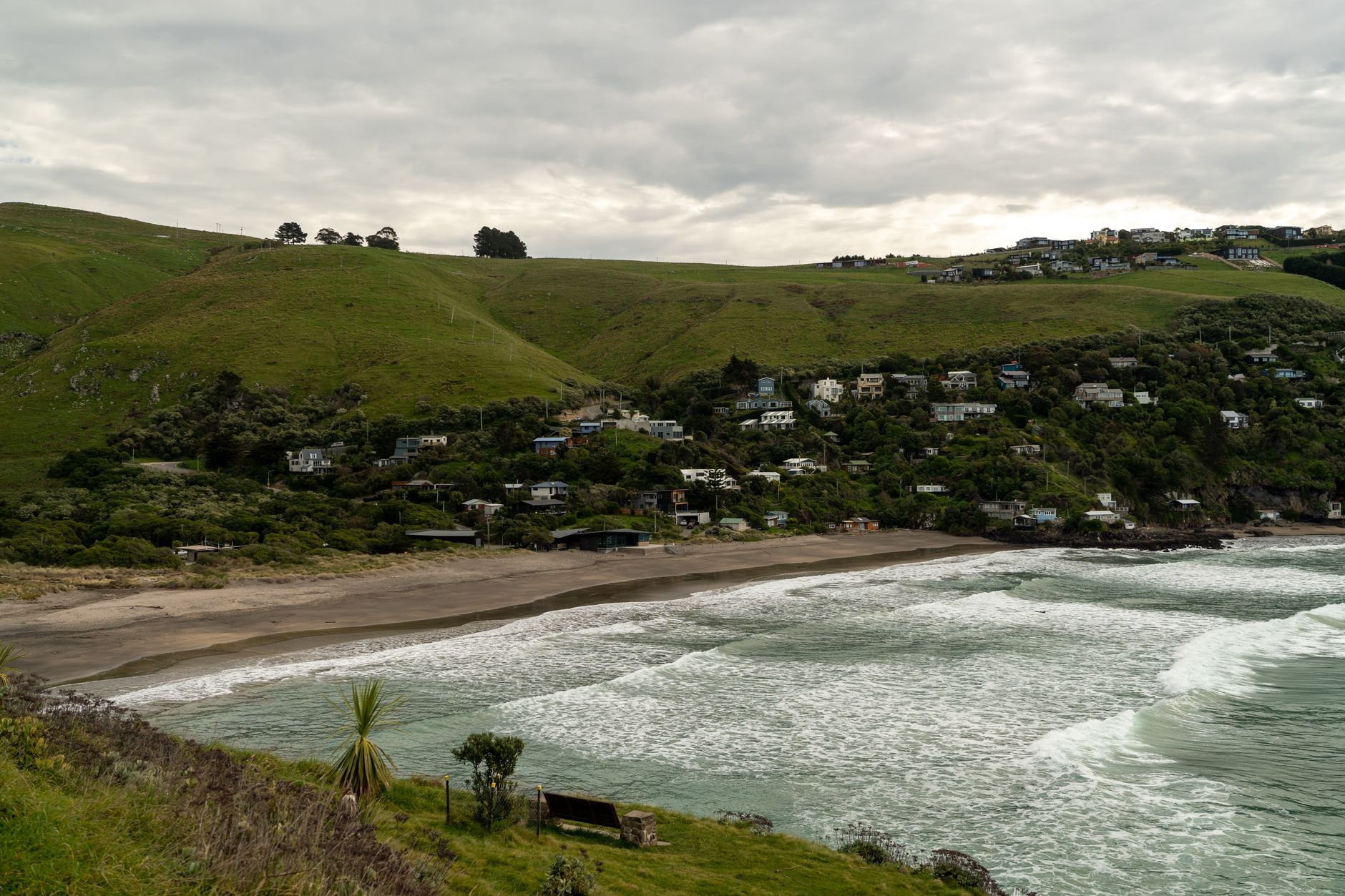
house prices South Island are still rising across the region, but there’s one notable exception that has caught the attention of buyers and sellers alike.
Current Trends in the South Island Housing Market
As of late 2023, the housing market in the South Island remains robust, with house prices continuing to rise in many regions. Despite some fluctuations, overall demand has kept prices on an upward trajectory. A recent report highlights that while most areas are experiencing growth, there is one notable exception that has caught the attention of analysts.
Current trends indicate that the South Island housing market is influenced by several factors:
- Increased Demand: A growing population and migration to the South Island have driven demand for housing, contributing to rising prices.
- Low Inventory: Limited housing stock has made it difficult for buyers to find suitable homes, leading to competitive bidding and higher price points.
- Interest Rates: While interest rates have fluctuated, they remain relatively low, encouraging buyers to enter the market and invest in properties.
- Regional Variations: Areas such as Christchurch and Queenstown are seeing significant price increases, whereas some smaller towns are witnessing stagnation in growth.
Overall, the outlook for house prices in the South Island appears to be positive, although market dynamics may vary significantly by region.
What Factors Are Driving House Prices?
The rise in house prices across the South Island can be attributed to several key factors that continue to shape the real estate landscape.
- Low Interest Rates: The sustained low-interest rates have encouraged more buyers to enter the market, making mortgages more affordable and driving up demand for properties.
- Population Growth: An influx of new residents, particularly in urban centers like Christchurch and Dunedin, has increased competition for housing, further pushing prices upward.
- Limited Housing Supply: A shortage of available properties for sale has created a seller’s market, where demand outstrips supply, contributing to rising house prices in the South Island.
- Investment Opportunities: The South Island is increasingly seen as an attractive area for property investment, leading to heightened activity from both local and international investors.
- Infrastructure Development: Ongoing infrastructure projects have improved accessibility and living conditions, making certain areas more desirable and, consequently, more expensive.
These factors, combined with a unique local economic climate, suggest that the trend of increasing house prices in the South Island is likely to persist in the near future.
The Exception: Which Area Is Not Rising?
While house prices in the South Island have generally shown an upward trend, there is one notable exception that stands out. Christchurch, the largest city in the South Island, has recently experienced a plateau in its housing market. This shift can be attributed to a variety of factors that have affected buyer sentiment and market dynamics.
In comparison to other regions, Christchurch’s house prices have stabilized, which may come as a surprise given the overall growth seen across the South Island. Several reasons are contributing to this unique situation:
- Increased supply: A rise in new housing developments has provided more options for buyers, helping to moderate prices.
- Economic factors: Changes in interest rates and inflation have made potential buyers more cautious.
- Market saturation: After several years of rapid growth, many buyers are now feeling the strain of high prices.
As a result, while house prices in the South Island continue to increase, Christchurch stands as a rare example of a market that is not following this trend, prompting discussions about future developments in the area.
Impact of Interest Rates on House Prices
The relationship between interest rates and house prices in the South Island has become increasingly significant as rates fluctuate. Higher interest rates typically lead to increased borrowing costs, which can dampen demand for housing and ultimately impact house prices. As potential buyers face steeper mortgage payments, many may reconsider their purchasing decisions, leading to a slowdown in price growth.
In contrast, lower interest rates can stimulate the housing market by making borrowing more affordable, thus encouraging buyers to enter the market. This influx of demand can push house prices higher in various regions of the South Island. However, the current economic climate poses challenges, with rising rates being a major concern for many buyers.
Economists suggest that while house prices in the South Island are still rising, the pace may slow down in response to interest rate hikes. The following key points illustrate the impact of interest rates on house prices:
- Higher Rates: Increased mortgage costs can lead to decreased buyer activity.
- Lower Rates: More affordable borrowing may boost demand.
- Market Sentiment: Buyer confidence may wane if rates continue to rise.
Understanding these dynamics is crucial for anyone navigating the South Island housing market.
Future Predictions for South Island Real Estate
Looking ahead, many experts suggest that house prices in the South Island will continue to rise, albeit at a potentially slower pace. Several factors are likely to influence this trend:
- Economic Recovery: As the economy rebounds from recent challenges, increased consumer confidence may lead to higher demand for housing.
- Population Growth: The South Island has seen a steady influx of residents, particularly from other regions, which can drive up demand for homes.
- Supply Constraints: Limited housing stock in desirable areas can create upward pressure on prices, as buyers compete for available properties.
- Investment Interest: Investors may continue to view the South Island as an attractive market, further contributing to price increases.
However, not all regions will experience the same growth. Some areas may see a plateau in prices or even declines, which could impact overall market dynamics. Analysts recommend keeping a close eye on regional differences, as well as external factors like government policy changes and global economic conditions that could affect the South Island housing market.
Advice for Home Buyers in a Rising Market
As house prices in the South Island continue to rise, potential home buyers should approach the market with careful consideration and informed strategies. With the ongoing demand and limited supply, navigating this competitive landscape can be challenging.
Here are some key pieces of advice for home buyers:
- Research the Market: Familiarize yourself with current trends in house prices South Island-wide. Understanding the dynamics of different regions can help you make informed decisions.
- Set a Realistic Budget: Given the rising prices, it’s crucial to determine a budget that takes into account not only the purchase price but also additional costs such as inspections, legal fees, and moving expenses.
- Get Pre-Approved: Securing pre-approval for a mortgage can enhance your negotiating power and show sellers you are a serious buyer.
- Be Prepared to Compromise: In a rising market, you may need to adjust your expectations regarding property features or locations to find a home within your budget.
- Work with a Local Agent: A knowledgeable real estate agent can provide valuable insights and help you identify opportunities in the fast-paced market.
By following these tips, buyers can better position themselves in the current South Island real estate environment.
Conclusion: Navigating the South Island Housing Landscape
In conclusion, understanding the dynamics of house prices in the South Island is essential for both potential buyers and investors. The current trends indicate a robust real estate market, with prices continuing to rise despite some fluctuations. Various factors contribute to this increase, including supply constraints, demand from both local and international buyers, and the ongoing appeal of the South Island lifestyle.
However, it is important to note that not all areas are experiencing the same growth. While many regions are seeing significant price hikes, there are exceptions where prices have stabilized or even declined. This variance highlights the importance of localized research and the need for buyers to identify specific neighborhoods that align with their budget and investment goals.
As interest rates continue to influence the market, prospective homeowners should remain vigilant and informed. With expert advice and a clear understanding of the landscape, navigating the South Island housing market can be a rewarding venture. Ultimately, while house prices in the South Island are still rising, opportunities exist for those willing to explore and adapt to the changing environment.
Many experts believe that house prices South Island will continue to rise due to a lack of available inventory. Additionally, the demand for properties in desirable locations is contributing to the upward trend in house prices South Island.
Photo by Donovan Kelly on Pexels
Sources
Related stories
Is Abdul El-Sayed’s Habibi PAC the Best Move for Politics? · Infrastructure projects Western Ghats: The Real Impact on Communities · Tanzania standard gauge projects: What are the best investment opportunities?