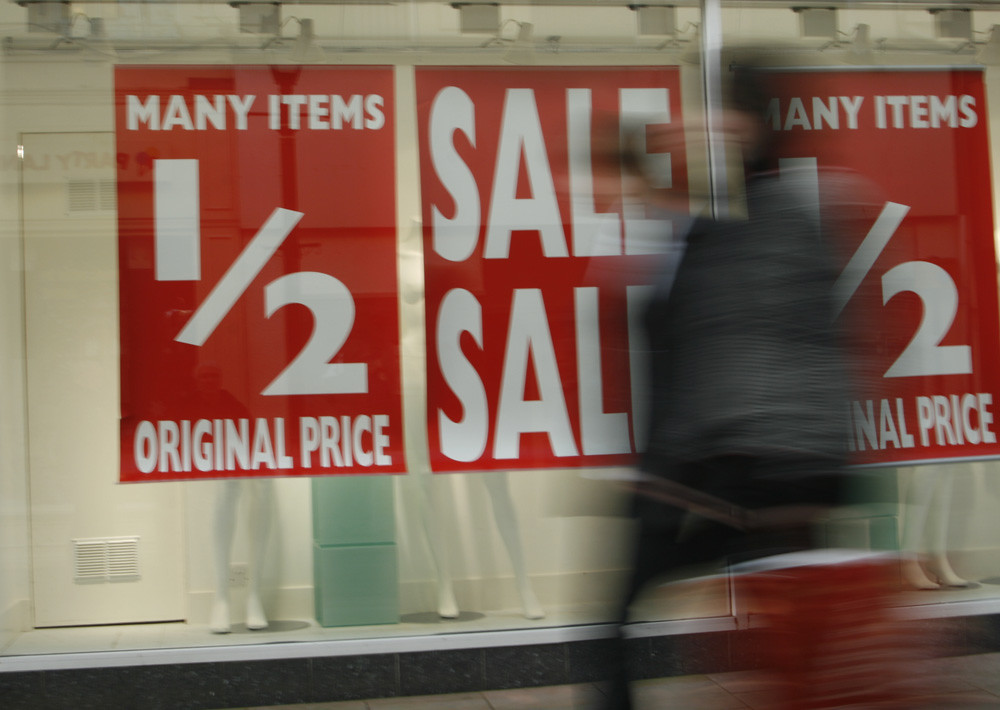
UK retail sales have fallen faster than expected in September, indicating potential challenges for the economy ahead of the Budget.
Current UK Retail Sales Trends
Recent data indicates a concerning trend in UK retail sales, with figures falling significantly faster than analysts anticipated in September. This decline has raised questions about the future direction of the retail sector as the country prepares for upcoming budget announcements.
The latest report highlights several factors contributing to this downturn:
- Consumer Confidence: There is a noticeable dip in consumer confidence, which has led to reduced spending in non-essential categories.
- Inflationary Pressures: Rising prices on essential goods have forced consumers to prioritize their spending, often cutting back on discretionary purchases.
- Seasonal Variations: The typical back-to-school shopping boost was weaker than expected this year, further impacting overall sales figures.
With these trends unfolding, retailers are bracing for a challenging environment as they navigate these economic headwinds. The upcoming budget may offer insights or measures aimed at stimulating growth in the retail sector, but uncertainty remains a prevailing concern for both consumers and businesses alike.
Impact of Retail Sales on Economy
The recent decline in UK retail sales has raised concerns about the overall health of the economy. As consumer spending represents a significant portion of economic activity, a sharp downturn can lead to broader implications.
According to analysts, the UK retail sales report indicates that households are tightening their belts in response to rising costs and economic uncertainty. This trend could have several effects:
- Decreased Consumer Confidence: A fall in retail sales often signals a lack of confidence among consumers, which can further dampen spending.
- Impact on Employment: Retailers may respond to declining sales by reducing staff or halting hiring, affecting job growth.
- Economic Growth Slowdown: With consumer spending being a vital driver of GDP, a continued drop in retail sales could hinder overall economic growth.
- Influence on Monetary Policy: Policymakers may alter interest rates or implement stimulus measures to boost consumer spending if the trend persists.
The future of UK retail sales remains uncertain as consumers navigate a challenging economic landscape.
September’s Retail Performance
September’s retail performance in the UK has raised significant concerns, as the latest figures indicate a sharp decline in consumer spending. The Office for National Statistics reported that UK retail sales fell by 1.8% in September, marking the worst drop since the previous year. This unexpected downturn has left many analysts questioning the resilience of the retail sector.
Several factors contributed to this decline, including:
- Inflationary pressures: Rising prices have forced consumers to cut back on discretionary spending.
- Changing consumer habits: With more people opting for online shopping, traditional retail has struggled to keep pace.
- Economic uncertainty: Concerns about the future have made shoppers more cautious about their expenditures.
As the UK retail sales landscape continues to evolve, stakeholders are eager to see how these trends will impact the upcoming budget decisions. The focus will be on strategies to stimulate growth and restore confidence among consumers and retailers alike.
What to Expect in Upcoming Budget
The upcoming budget is poised to address the concerning trends in UK retail sales, which have experienced their worst drop in September. As the government prepares to unveil its financial plans, several key areas are expected to be prioritized.
- Support for Retailers: There may be initiatives aimed at providing financial relief to struggling retailers, especially small businesses that have been hit hardest by recent sales declines.
- Tax Adjustments: Potential adjustments to VAT or other taxes could be considered to stimulate consumer spending and encourage a resurgence in retail activity.
- Investment in Infrastructure: Increased funding for local infrastructure projects could enhance foot traffic in high streets, benefiting retail sales in the long run.
- Consumer Incentives: Look for possible vouchers or incentives aimed at boosting consumer confidence and encouraging spending as a way to counteract the recent downturn.
As policymakers weigh these options, the focus will be on revitalizing UK retail sales and fostering a more robust economy.
Consumer Spending Insights
Consumer spending in the UK has shown signs of strain, particularly following the recent data on UK retail sales, which indicated a sharper decline than anticipated in September. This drop raises questions about the resilience of consumer confidence moving forward.
Several factors are influencing spending patterns:
- Inflationary pressures: Rising costs of living and essential goods are squeezing household budgets, leading consumers to prioritize necessities over discretionary spending.
- Changing shopping habits: Many consumers are shifting towards online shopping, further affecting traditional retail outlets.
- Economic uncertainty: Ongoing concerns regarding the economic outlook and potential changes in government policy are making consumers more cautious.
Analysts suggest that if these trends continue, the upcoming months could see further challenges for UK retail sales. The ability of retailers to adapt to shifting consumer preferences will be crucial in determining their success during this tumultuous period.
Future of UK Retail Market
The future of the UK retail market appears uncertain as recent trends indicate a significant shift in consumer behavior. With UK retail sales experiencing the worst drop in September, analysts are closely monitoring various factors that could influence recovery.
Several challenges lie ahead for retailers, including:
- Inflationary pressures: Rising costs may continue to squeeze household budgets, impacting discretionary spending.
- Changing consumer preferences: A growing shift towards online shopping could reshape traditional retail landscapes.
- Economic uncertainty: Ongoing economic fluctuations may lead to cautious consumer spending, further affecting retail performance.
To adapt, retailers are likely to invest in innovative strategies aimed at enhancing customer experience and improving operational efficiency. Additionally, upcoming government policies and the anticipated budget may provide crucial support to the struggling sector. Stakeholders will need to remain agile, responding to both consumer needs and market dynamics to navigate the challenges ahead and potentially revitalize UK retail sales in the coming months.
By Alan Cleaver via Openverse